
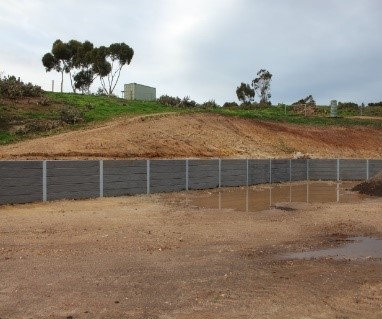
Artificial Paths Along Retaining Walls
Retaining walls often change how outdoor spaces function.
Once a retaining wall has been built, many property owners start considering ways to improve access, functionality and appearance around the newly created area.
One popular option is installing an artificial path alongside a retaining wall.
Whether using gravel, decorative stone, concrete pavers, stepping stones or low-maintenance pathways, a well-planned path can improve accessibility while helping make retaining wall areas more practical and visually appealing.
At Outwest Retaining Walls, we regularly see retaining walls paired with pathways across Melbourne West, Bacchus Marsh, Melton, Werribee, Ballarat, Geelong and regional Victoria, particularly on sloping blocks and tiered landscapes.
Why Install a Path Along a Retaining Wall?
Artificial paths can improve both function and appearance.
Benefits may include:
Better access around the property
Easier maintenance access
Improved drainage management
Cleaner transitions between levels
Better usability of retained areas
Improved landscaping finish
On sloping blocks, retaining walls and pathways often work together to create more usable outdoor spaces.
Common Path Options Along Retaining Walls
Gravel Paths
Gravel paths can provide a practical and cost-effective option.
Benefits include:
Drainage friendly
Low maintenance
Flexible layout
Natural appearance
However, edging is often important to stop movement over time.
Concrete Paths
Concrete pathways provide a durable and clean finish.
Commonly suited for:
Side access areas
Residential retaining walls
Higher traffic areas
Modern landscaping
Concrete paths may also improve drainage control around retaining walls.
Stepping Stones & Pavers
Pavers or stepping stones can help soften retaining wall areas visually.
These options often suit:
Garden pathways
Tiered landscapes
Decorative outdoor spaces
Crushed Rock & Decorative Stone
Decorative stone paths can provide strong drainage performance while complementing retaining wall finishes.
This can work particularly well beside:
Rock retaining walls
Concrete sleeper retaining walls
Natural landscape settings
Drainage Matters Around Retaining Walls
Pathways should never interfere with retaining wall drainage performance.
Poor drainage around retaining walls may contribute to:
Water build-up
Soil pressure increases
Wall movement
Long-term structural issues
When planning landscaping around retaining walls, drainage should always be considered.
Retaining Wall Drainage Guide →
Pathways for Sloping Blocks
Retaining walls are commonly used on sloping sites.
Adding pathways can improve movement between retained levels and create more practical outdoor spaces.
On sloping blocks, pathways may help:
Improve access
Connect outdoor areas
Reduce erosion
Improve usability
Matching Paths With Retaining Wall Types
Concrete Sleeper Retaining Walls
Modern pavers, exposed aggregate or decorative gravel often pair well with concrete sleeper retaining walls.
Concrete Sleeper Retaining Walls Melbourne
Rock Retaining Walls
Natural stone paths often complement rock retaining walls.
Rock Retaining Walls Melbourne
Common Mistakes to Avoid
Blocking Drainage
Pathways interfering with drainage outlets.
Poor Water Runoff
Water directed back toward retaining wall.
No Edge Definition
Loose material spreading over time.
Ignoring Access Requirements
Paths too narrow or impractical.
Why Choose Outwest Retaining Walls?
Outwest Retaining Walls delivers retaining wall construction across Melbourne West and regional Victoria, helping property owners create practical outdoor spaces designed for long-term use.
Whether planning a concrete sleeper retaining wall, rock retaining wall or sloping block solution, we understand how retaining walls integrate with usable landscaping outcomes.
Need Advice on a Retaining Wall Project?
Outwest Retaining Walls can help assess retaining wall solutions across Melbourne West and regional Victoria.
Whether your project includes landscaping, fencing or pathways, practical planning early often leads to better long-term results.
