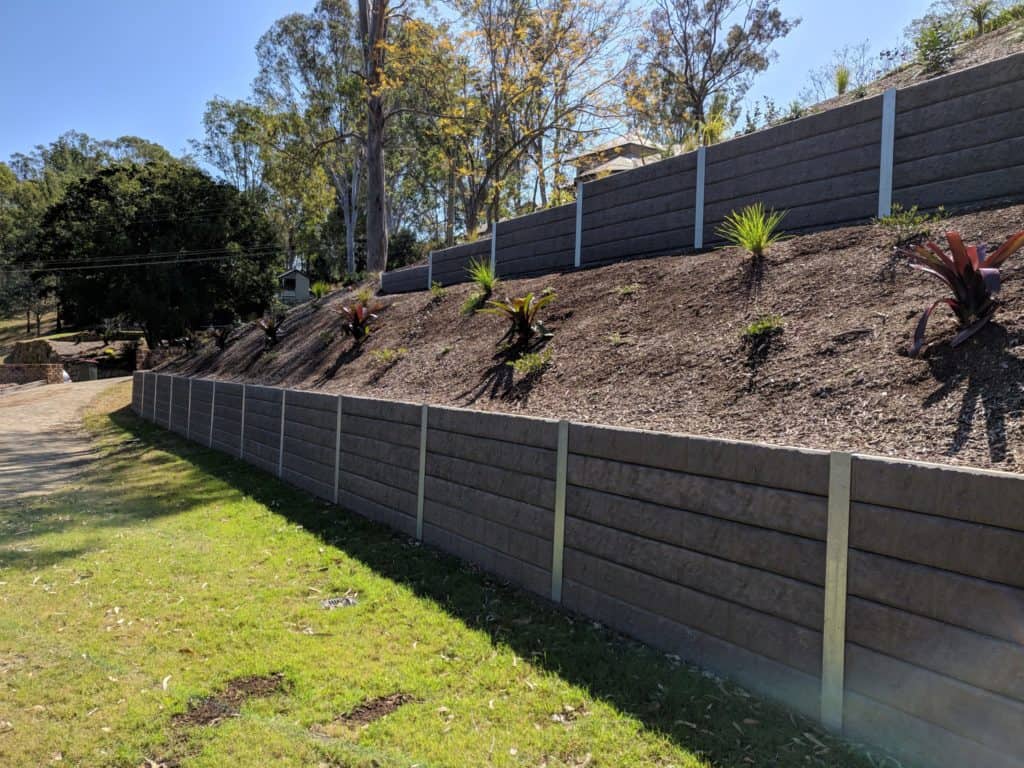
Surcharge Loading Explained for Retaining Walls
Surcharge loading is one of the most misunderstood causes of retaining wall failure.
Many retaining walls appear strong enough at first glance, but hidden pressure behind the wall can dramatically change structural requirements.
A retaining wall that works perfectly in one location may fail in another simply because additional loading was not considered.
At Outwest Retaining Walls, we regularly assess retaining wall projects across Melbourne West, Bacchus Marsh, Melton, Werribee, Ballarat, Geelong and regional Victoria, where surcharge loading often changes the type of retaining wall, steel sizing, footing depth or engineering requirements.
Understanding surcharge loading is critical when planning a concrete sleeper retaining wall, rock retaining wall or commercial retaining wall system.
What Is Surcharge Loading?
Surcharge loading refers to additional weight or pressure placed behind a retaining wall.
Retaining walls are designed to hold back soil.
When additional weight is introduced behind the wall, pressure increases.
That extra pressure is called surcharge loading.
Think of surcharge loading as anything that increases force pushing against the retaining wall.
Even a well-built retaining wall may fail if surcharge loading is ignored.
Why Surcharge Loading Matters
Soil pressure alone can place considerable force on a retaining wall.
When surcharge loading is added, retaining walls may require:
- Larger steel posts
- Increased footing depth
- Greater structural capacity
- Engineering consideration
- Additional drainage planning
- Stronger retaining wall systems
This is why surcharge loading is one of the most important considerations when planning a retaining wall.
Ignoring surcharge loading is a common reason retaining walls:
- Lean forward
- Crack or move
- Lose structural integrity
- Fail prematurely
Common Types of Surcharge Loading
Several things can create surcharge loading behind a retaining wall.
Driveways & Vehicle Loading
Vehicles place significant pressure on retained soil.
If a driveway, parking area or vehicle access sits near the top of a retaining wall, surcharge loading usually increases.
Common examples include:
- Residential driveways
- Caravan storage
- Vehicle access areas
- Car parking spaces
- Machinery access
Even occasional vehicle loading can materially affect retaining wall requirements.
Buildings & Structures
Buildings near retaining walls often increase structural pressure.
Examples include:
- Houses
- Garages
- Sheds
- Pools
- Outdoor structures
- Concrete slabs
Retaining walls supporting nearby structures commonly require more detailed assessment.
When Engineering Is Required →
Fence Loading
Many property owners overlook fencing.
A fence may not seem heavy, but wind loading can significantly increase pressure on a retaining wall.
This is particularly important for:
- Colorbond fences
- Acoustic fencing
- High privacy fencing
- Boundary fencing
Fence loading should ideally be considered before construction begins.
Fence on Top of Retaining Wall Guide →
Sloping Ground Above the Wall
Natural slope behind a retaining wall often creates surcharge pressure.
Where retained ground continues to rise behind the wall, structural loading can increase significantly.
This is common across:
- Sloping residential blocks
- Rural properties
- Tiered landscapes
- Cut and fill sites
Stockpiled Materials
Stored materials can create temporary or permanent surcharge loads.
Examples include:
- Soil piles
- Building materials
- Firewood
- Landscaping products
- Equipment
Even temporary loading can sometimes damage retaining walls if structural capacity is exceeded.
How Surcharge Loading Changes Retaining Wall Design
Retaining walls exposed to surcharge loading may require:
Larger Structural Steel
Higher loading often requires stronger steel sections.
Increased Footing Depth
Additional embedment may be needed for stability.
Stronger Drainage Systems
Water pressure combined with surcharge loading creates additional stress.
Engineering Consideration
Structural calculations may be necessary.
Different Wall Systems
Some retaining wall types perform better under increased loading conditions.
Concrete Sleeper Retaining Walls Melbourne →
H2: Does Surcharge Loading Mean Engineering Is Required?
Sometimes.
Not every surcharge situation automatically requires engineering.
However, surcharge loading commonly increases the likelihood of engineering being needed.
Factors influencing engineering requirements include:
- Retaining wall height
- Type of surcharge
- Soil conditions
- Fence loading
- Nearby buildings
- Site access
- Drainage requirements
Every retaining wall site is different.
When Engineering Is Required →
H2: Common Retaining Wall Failures Caused by Surcharge Loading
Retaining walls often fail because loading behind the wall was underestimated.
Common problems include:
Leaning Walls
Excess pressure pushing wall forward.
Cracking
Structural stress exceeding design limits.
Fence Movement
Fence loading not considered during construction.
Poor Drainage Performance
Water pressure increasing surcharge force.
Footing Failure
Embedment not deep enough for loading.
H2: Surcharge Loading in Melbourne West & Regional Victoria
Many properties across Melbourne West and regional Victoria experience conditions that increase surcharge risk.
Common examples include:
- Sloping blocks in Gisborne
- Clay soils in Melton and Caroline Springs
- Tiered landscaping in Werribee
- Commercial loading in Ballarat
- Larger rural properties near Bacchus Marsh
Local site conditions matter – A retaining wall solution suitable for one suburb may not suit another.
H2: Why Choose Outwest Retaining Walls?
Outwest Retaining Walls builds retaining wall systems across Melbourne West and regional Victoria with practical consideration for site loading, drainage and long-term structural performance.
Whether your project involves a concrete sleeper retaining wall, boundary wall, commercial retaining system or sloping site, our team can help assess retaining wall requirements suited to your project.
H2: Frequently Asked Questions
What is surcharge loading on a retaining wall?
Surcharge loading refers to additional pressure behind a retaining wall caused by structures, vehicles, slopes or fencing.
Does a driveway affect retaining wall design?
Yes. Vehicle loading often increases retaining wall requirements.
Can fences create surcharge loading?
Yes. Fence loading, particularly Colorbond fencing, can materially affect retaining wall performance.
Does surcharge loading mean engineering is required?
Sometimes. Height, soil conditions and loading type all influence engineering requirements.
Can surcharge loading cause retaining wall failure?
Yes. Poor planning around surcharge loading is one of the most common causes of retaining wall movement and failure.
H2: Unsure if Surcharge Loading Affects Your Retaining Wall?
Outwest Retaining Walls can help assess retaining wall requirements across Melbourne West and regional Victoria.
Understanding surcharge loading early can help avoid expensive mistakes later.
Primary CTA Button: GET A FREE QUOTE
Secondary CTA Button: CALL NOW

No responses yet