
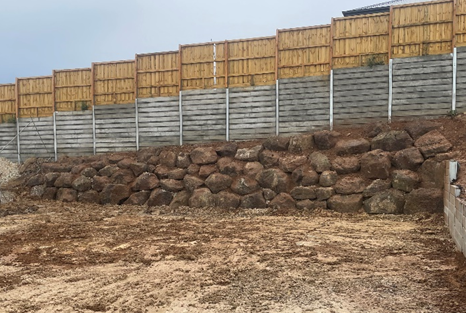
Building Materials Used in Retaining Wall Construction
Choosing the right building materials used in retaining wall construction is critical for long-term strength, stability, and visual appeal. Retaining walls must withstand soil pressure, moisture, and environmental exposure, making material selection one of the most important decisions for any residential, commercial, or civil project.
This SEO-optimised article outlines the most popular retaining wall materials, including natural stone, concrete blocks, and recycled materials, highlighting their advantages, limitations, and ideal use cases.
Natural Stone Materials for Retaining Walls
Natural stone is widely regarded as a premium option in retaining wall construction due to its durability, structural integrity, and timeless appearance. The most commonly used natural stone retaining wall materials include granite, limestone, and sandstone.
Granite Retaining Walls
Granite retaining walls are known for their exceptional strength and resistance to environmental wear. Granite is a dense, hard stone that performs exceptionally well in high-load and structural retaining wall applications.
Benefits of granite retaining walls:
Extremely durable and long-lasting
Impervious to moisture, weather, and erosion
Excellent load-bearing capacity
High-end, natural stone aesthetic
Granite is ideal for engineered retaining walls where longevity and structural performance are essential.
Limestone Retaining Walls
Limestone retaining walls offer a softer, more rustic appearance, making them popular in feature landscaping and garden retaining walls.
Key characteristics of limestone retaining walls:
Warm, natural tones and textures
Typically requires mortar for stability
More porous than granite
Best suited to lower-height or decorative retaining walls
While limestone delivers strong visual appeal, it generally requires more maintenance and professional installation.
Concrete Block Retaining Walls
Concrete block retaining walls are one of the most widely used retaining wall systems due to their affordability, uniform appearance, and engineered performance.
Advantages of concrete block retaining walls:
Consistent sizing for efficient installation
Engineered systems available for structural walls
Cost-effective compared to natural stone
Suitable for residential, commercial, and civil projects
Concrete blocks offer fewer colour variations than natural stone but provide excellent reliability and compliance.
Recycled Materials Used in Retaining Walls
Some retaining wall projects consider recycled materials, such as railroad ties and used tyres, as a lower-cost alternative.
Benefits of Recycled Retaining Wall Materials
Lower upfront material costs
Reduced waste through material reuse
Perceived environmental benefits
Drawbacks of Recycled Retaining Wall Materials
Reduced strength and shorter lifespan
Higher long-term maintenance requirements
Limited compliance with engineering and council standards
Potential environmental concerns
Although recycled materials may appear economical, they typically lack the durability and longevity of natural stone or concrete retaining wall systems.
How to Choose the Best Retaining Wall Material
Selecting the right retaining wall material depends on several key factors:
Budget and long-term value
Structural height and soil conditions
Aesthetic and landscape design goals
Council regulations and engineering requirements
Balancing upfront cost with long-term performance is essential when choosing materials for retaining wall construction.
Importance of Professional Retaining Wall Installation
No matter which materials are used, proper retaining wall installation is vital to ensure long-term stability. Critical installation components include:
Correct footing and base preparation
Effective drainage systems
Appropriate backfill materials
Professional construction methods
Poor installation can lead to wall movement, cracking, or failure—regardless of material quality.
Emerging Trend: Reinforced Soil and Gravel Retaining Walls
Reinforced soil and gravel retaining walls are becoming increasingly popular due to their affordability, ease of construction, and environmentally friendly design. These systems are commonly used in civil and large-scale landscaping applications.

