
No products in the cart.
Design and Placement of Retaining Walls
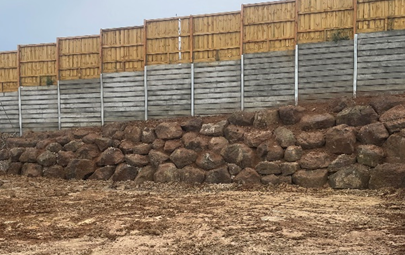
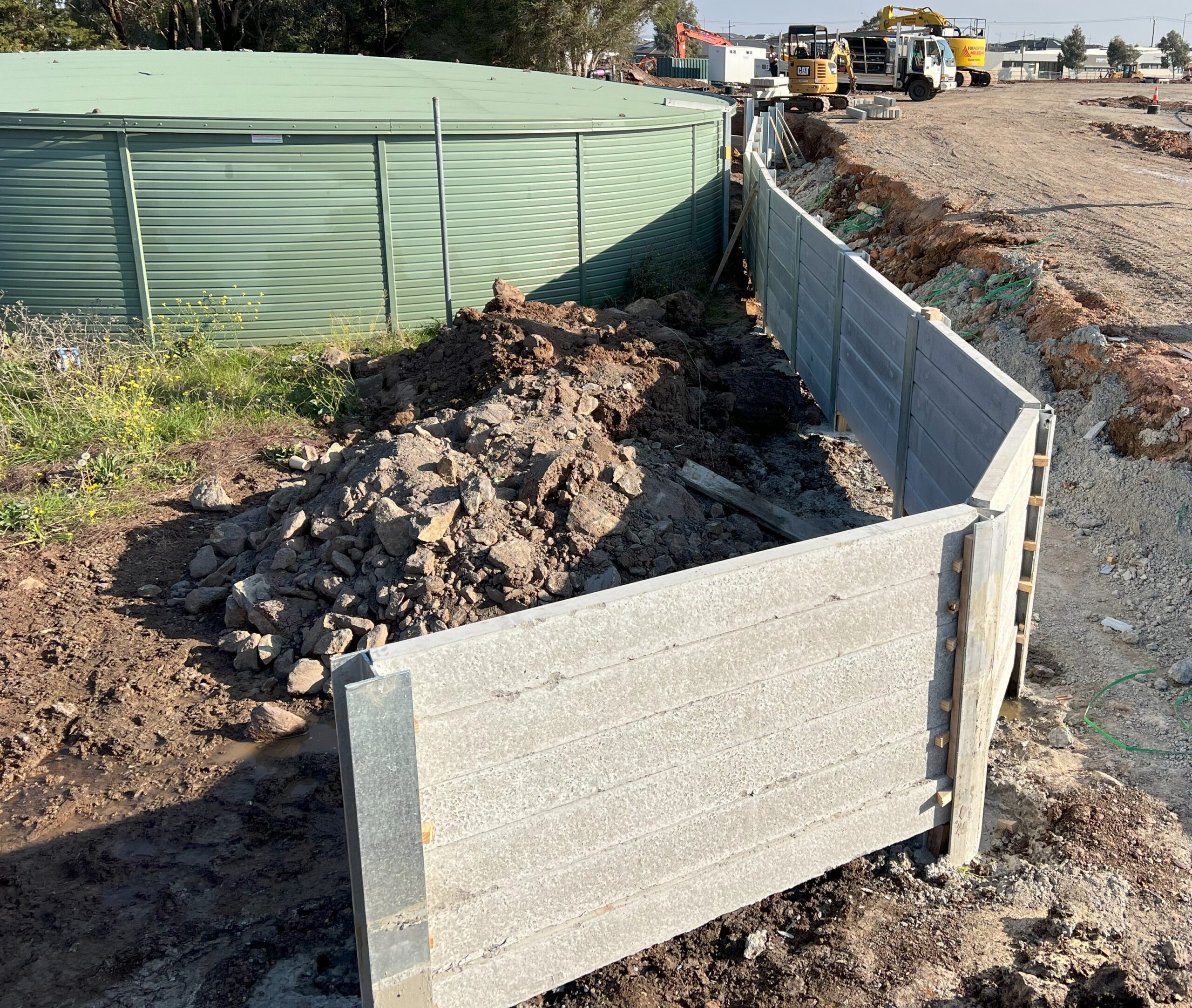
Design and Placement of Retaining Walls Proper design and placement of retaining walls is essential to ensure long-term structural stability, drainage performance, and visual appeal. Whether for residential landscaping, boundary control, or commercial developments, retaining walls must be carefully planned to suit site conditions, soil types, and council requirements. This SEO-optimised guide explains the key principles behind retaining wall design and placement to help homeowners, builders, and developers achieve safe, compliant, and durable outcomes. Why Retaining Wall Design Matters Retaining walls are structural elements designed to hold back soil and manage changes in ground elevation. Poor design can lead to wall movement, cracking, drainage failure, or complete collapse. Effective retaining wall design considers: Soil pressure and ground conditions Wall height and load requirements Drainage and water management Material selection and structural capacity Compliance with engineering standards and local council regulations Key Factors in Retaining Wall Placement Correct placement of a retaining wall is just as important as the wall’s design. Walls must be positioned to manage soil loads safely while integrating with the surrounding landscape. Site Slope and Ground Levels Retaining walls are commonly used on sloping blocks to create level areas for buildings, driveways, and outdoor spaces. The steeper the slope, the greater the soil pressure acting on the wall, increasing the need for engineered solutions. Boundary and Property Line Considerations Retaining walls near boundaries must comply with setback rules, easements, and neighbour considerations. In many cases, walls on or near property lines require engineering design and council approval. Drainage and Water Flow Poor drainage is one of the leading causes of retaining wall failure. Placement must allow for: Agricultural drainage pipes (ag pipes) Free-draining backfill materials Waterproof membranes behind the wall Safe discharge points for water runoff Retaining Wall Height and Structural Requirements The height of a retaining wall significantly influences its design. As wall height increases, so does the need for stronger materials and engineering input. Low-height walls may suit gravity-based systems Medium-height walls often require reinforced materials Tall retaining walls typically require full engineering design Walls exceeding council height thresholds generally require permits and certified engineering drawings. Material Selection in Retaining Wall Design Material choice plays a major role in both design and placement decisions. Common retaining wall materials include: Concrete sleeper and steel post systems Natural stone retaining walls Concrete block retaining walls Each material has different load-bearing capacities, drainage requirements, and design limitations. Engineered concrete sleeper systems are often preferred for structural and boundary applications due to their strength and longevity. Aesthetic Integration and Landscape Design Well-designed retaining walls should complement the surrounding environment. Placement should consider: Visual impact from streets and neighbouring properties Integration with gardens, fencing, and pathways Finishes, textures, and colour selection Strategic placement can transform retaining walls into attractive landscape features rather than purely functional structures. Engineering, Compliance, and Council Approval In Victoria and many other regions, retaining walls over a certain height or supporting structures require engineering certification and council approval. Professional retaining wall design ensures: Compliance with Australian Standards Structural safety and longevity Reduced risk of future legal or insurance issues Importance of Professional Installation Even the best design can fail without correct construction. Professional installation ensures: Accurate wall alignment and placement Proper footing depth and compaction Correct installation of drainage systems Long-term structural integrity Investing in professional design and placement reduces maintenance costs and extends the lifespan of the retaining wall. Final Thoughts on Retaining Wall Design and Placement Successful retaining wall projects rely on thoughtful planning, correct material selection, and precise placement. When designed and installed correctly, retaining walls provide long-term stability, improved land usability, and enhanced property value. Consulting experienced retaining wall specialists ensures your retaining wall is designed to perform, comply, and last.
