
Author: user

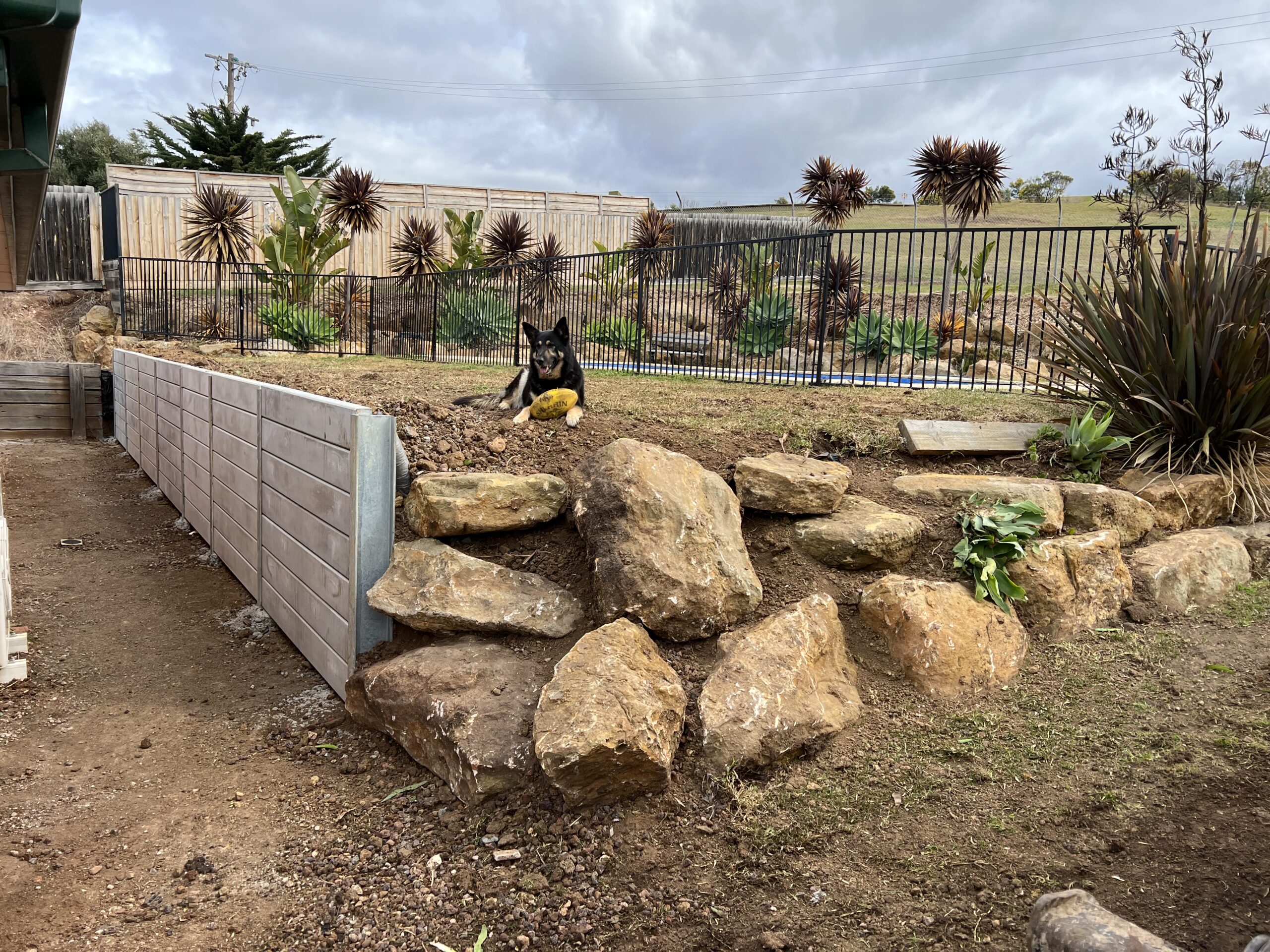
Concrete sleeper retaining wall professionally designed and placed to manage sloped land and improve site stability in Victoria

Concrete Sleeper vs Timber Sleeper Retaining Walls | Victoria

Concrete Sleeper Retaining Walls vs Timber Sleeper Retaining Walls When comparing concrete sleeper retaining walls vs timber sleeper retaining walls, the difference in durability, lifespan, and long-term value is significant. Homeowners, builders, and developers across Victoria are increasingly choosing concrete sleepers for engineered retaining wall solutions that meet council requirements and perform long term in Australian conditions. Learn more about our Concrete Sleepers, engineered Retaining Wall Steel systems, or Contact Us to discuss your retaining wall project. What Is a Concrete Sleeper Retaining Wall? A concrete sleeper retaining wall is constructed using precast reinforced concrete sleepers installed between galvanised steel posts. These systems are engineered to manage soil pressure, drainage, and ground movement, making them ideal for residential, commercial, and civil retaining wall projects. Benefits of Concrete Sleeper Retaining Walls Long lifespan (40–50+ years) Concrete sleepers do not rot, warp, or deteriorate over time, even when in constant contact with soil and moisture. Low maintenance retaining wall solution Once installed, concrete sleeper retaining walls require minimal ongoing maintenance compared to timber alternatives. Termite, rot, and fire resistant Concrete sleepers are immune to termite attack, moisture damage, and bushfire risk—critical advantages in many Victorian regions. Higher structural capacity Concrete sleeper retaining walls can be engineered to greater heights, making them suitable for sloping blocks, boundary retaining walls, and load-bearing applications. Modern design options Available in smooth, textured, and timber-look finishes, concrete sleepers suit contemporary and traditional landscaping designs. Our Concrete Sleepers retaining walls are designed for long-term durability, structural performance, and compliance with Australian standards. What Is a Timber Sleeper Retaining Wall? A timber sleeper retaining wall is typically built using treated pine or hardwood sleepers. While commonly used for small garden walls, timber retaining walls have clear structural and durability limitations. Disadvantages of Timber Sleeper Retaining Walls Shorter lifespan (10–20 years) Even treated timber sleepers are vulnerable to rot, moisture ingress, and termite damage, especially in reactive clay soils. Higher ongoing maintenance Timber retaining walls require regular inspections, drainage upkeep, and sleeper replacement as deterioration occurs. Limited height and engineering capability Timber sleeper retaining walls are generally unsuitable for taller or engineered retaining walls without significant reinforcement. Poor long-term value Although timber sleeper retaining walls may cost less upfront, repair and replacement costs often exceed the price of concrete sleepers over time. Concrete Sleepers vs Timber Sleepers: Comparison Table Feature Concrete Sleeper Retaining Walls Timber Sleeper Retaining Walls Lifespan 40–50+ years 10–20 years Maintenance Very low Moderate to high Termite resistance Yes No Rot & moisture resistance Yes No Structural height capability High Limited Fire resistance Non-combustible Combustible Council & engineering compliance Excellent Limited Long-term cost efficiency Excellent Poor to moderate Concrete sleeper retaining walls are installed using heavy-duty Retaining Wall Steel posts, providing superior strength and stability compared to timber systems. Which Retaining Wall Is Best for Victoria? For projects across Melbourne, Geelong, Ballarat, and regional Victoria, concrete sleeper retaining walls are the preferred solution due to their strength, durability, and compliance with engineering and council standards. Timber sleeper retaining walls may suit small, decorative garden walls, but they are not recommended for structural, boundary, or load-bearing applications. Final Verdict: Concrete Sleepers Are the Superior Choice When choosing between concrete sleeper retaining walls vs timber sleeper retaining walls, concrete sleepers deliver superior performance, safety, and long-term value. They are the smart investment for property owners seeking a retaining wall that will not fail prematurely or require costly repairs. A professionally designed and installed concrete sleeper retaining wall protects your land, meets compliance standards, and adds lasting value to your property. If you’re planning a retaining wall and want expert advice, professional supply, or installation support, contact us to speak with our team.
Read More

Maintaining the Surroundings of Your Retaining Wall

Maintaining the Surroundings of Your Retaining Wall A retaining wall is only as effective as the environment around it. Proper maintenance of the surrounding areas not only improves the appearance of your outdoor space but also protects the structural integrity of your retaining wall over time. Whether you have Concrete Sleeper Retaining Walls, rock walls, or timber walls, ongoing care of drainage, soil, and landscaping is essential for long-term performance. This guide outlines practical advice to help homeowners and property managers maintain the surroundings of their retaining walls and avoid costly repairs. Why Surrounding Maintenance Matters The area behind and around a retaining wall directly affects how it performs. Poor drainage, uncontrolled vegetation, or soil erosion can place unnecessary pressure on the wall, leading to movement, cracking, or structural failure. Maintaining the surroundings helps to: Reduce hydrostatic pressure Prevent erosion and soil washout Protect posts, sleepers, and footings Extend the lifespan of your retaining wall system Maintain a clean, functional landscape High-quality materials such as galvanised Retaining Wall Steel rely on proper site conditions to perform as designed. Ensure Proper Drainage Around the Wall Drainage is one of the most critical elements of retaining wall performance. Water build-up behind the wall increases pressure and can compromise even engineered retaining walls. Best practices include: Keeping agricultural drainage pipes clear Ensuring gravel backfill remains free-draining Directing surface water away from the wall Avoiding garden beds that trap moisture behind sleepers or posts After heavy rain, inspect drainage outlets to confirm water is flowing freely. Control Soil and Prevent Erosion Erosion around the base or behind a retaining wall can weaken foundations and expose structural components. To prevent erosion: Use gravel, mulch, or ground covers to stabilise soil Avoid overwatering garden beds near the wall Repair washouts early Maintain consistent soil height behind the wall These steps are especially important for concrete sleeper retaining walls, where uniform pressure ensures long-term stability. Manage Vegetation Near the Retaining Wall While landscaping improves appearance, poorly managed vegetation can cause long-term damage. Tips for safe planting: Avoid large trees or deep-rooted plants near the wall Choose shallow-rooted plants and grasses Trim vegetation regularly to prevent moisture build-up Remove invasive weeds that interfere with drainage systems Smart planting protects both your wall and surrounding landscape. Keep the Area Clear and Accessible Heavy loads placed near the top of a retaining wall can increase pressure beyond its design limits. Good maintenance habits include: Keeping soil and debris away from the wall base Avoiding storage of heavy items near the wall edge Checking periodically for cracking or movement Addressing minor issues before they escalate If you notice movement or drainage concerns, it’s best to Contact Us for professional advice. Inspect After Heavy Rain or Extreme Weather Extreme weather events can quickly expose weaknesses in drainage or backfill. After storms, check: Drainage outlets Soil settlement behind the wall Signs of leaning or cracking Erosion at the base Early intervention can prevent expensive structural repairs. Long-Term Benefits of Proper Maintenance Maintaining the surroundings of your retaining wall improves drainage performance, reduces structural stress, and extends the life of your investment. Well-maintained retaining walls also enhance property value and ensure your outdoor space remains safe and usable year-round. For inspections, repairs, or new installations, speak with experienced retaining wall specialists who understand local soil conditions and council requirements.
Read More

Artificial Paths Along Retaining Walls

When considering ways to decorate and enhance a retaining wall, some homeowners may opt for an artificial path along it. Artificial paths, often made of composite materials such as rubber or plastic pavers, are a great way to add a visual element to the wall, while also making the area easier to traverse. Moreover, given their synthetic nature, these types of pathways require less maintenance than natural stone walks. On one hand, advocates for artificial pathways may be attracted to their vibrant colours and lightweight material, which can blend seamlessly with a variety of retaining wall styles. Furthermore, they are easily installed and replaced and can even be customised according to shape and size. Finally, users may appreciate their non-slip surfaces and high durability in cold climates. However, there are also some drawbacks associated with these pathways. For instance, they tend to look suspiciously artificial upon close inspection –– that is, if compared to their natural counterparts –– and can fade over time due to sun exposure. Additionally, they lack texture and have a tendency to heat up during warmer months. Furthermore, they do not absorb water well and can become slick when walked on with wet shoes. On account of this latter issue, users should exercise caution when traversing these pathways after rainfall or after sprinklers are used nearby. Overall, both sides must be weighed before committing to any form of walkway for a retaining wall: those looking for an easy-to-instal pathway that requires minimal maintenance may prefer the artificial version; on the other hand those who desire a more organic feel may opt for more traditional options such as a gravel or stone walkway. Ultimately, the decision depends on what each user would like out of their retaining wall design.
Read More

Planting Plants Along Retaining Walls

Planting plants along retaining walls can not only add beauty to the landscape, but it can also help to anchor and secure the wall by reducing the forces of erosion. When used correctly, plants act as a natural type of reinforcement for the soil between the wall and slopes, helping to prevent landslides. On top of this, plants will bring colour and life to your garden in the form of flowers, shrubs and trees whilst potentially providing habitats for birds and other wildlife. However, care must be taken when planting along a retaining wall as particular species may have an adverse effect on the structural integrity of the wall design. For example, large tree roots can cause damage over time if allowed to penetrate cracks in the wall or underneath its foundation. The best way to avoid such damage is to plant smaller perennials that require less maintenance and grow at a slower rate compared with larger trees or shrubs. In addition, another important thing to consider is how much space there is between the roots of each plant species you are using. Planting too close together can lead to increased competition for resources such as water and nutrients, leading some plants to become stressed or die off completely. To prevent this, make sure there is enough space between each root system so they all have access to what they need. No matter if you choose annuals or perennials as your plants of choice, planting along a retaining wall should provide plenty of aesthetic benefits while helping keep the structure itself safe from erosion and other potentially hazardous forces. With careful consideration and correct placement, any garden can become more beautiful when landscaped with plants along a retaining wall. Now that we have discussed designing and planting around retaining walls let us move onto artificial paths along these walls for further enhancing the beauty of your outdoor living space.
Read More
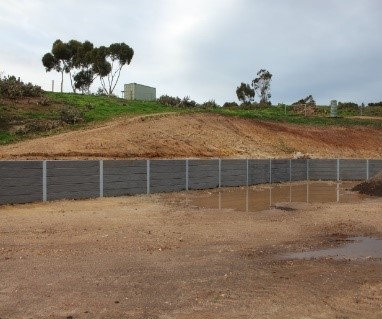
principles of retaining wall design and placement, including drainage, height requirements, material selection, and compliance

Design and Placement of Retaining Walls

Design and Placement of Retaining Walls Proper design and placement of retaining walls is essential to ensure long-term structural stability, drainage performance, and visual appeal. Whether for residential landscaping, boundary control, or commercial developments, retaining walls must be carefully planned to suit site conditions, soil types, and council requirements. This SEO-optimised guide explains the key principles behind retaining wall design and placement to help homeowners, builders, and developers achieve safe, compliant, and durable outcomes. Why Retaining Wall Design Matters Retaining walls are structural elements designed to hold back soil and manage changes in ground elevation. Poor design can lead to wall movement, cracking, drainage failure, or complete collapse. Effective retaining wall design considers: Soil pressure and ground conditions Wall height and load requirements Drainage and water management Material selection and structural capacity Compliance with engineering standards and local council regulations Key Factors in Retaining Wall Placement Correct placement of a retaining wall is just as important as the wall’s design. Walls must be positioned to manage soil loads safely while integrating with the surrounding landscape. Site Slope and Ground Levels Retaining walls are commonly used on sloping blocks to create level areas for buildings, driveways, and outdoor spaces. The steeper the slope, the greater the soil pressure acting on the wall, increasing the need for engineered solutions. Boundary and Property Line Considerations Retaining walls near boundaries must comply with setback rules, easements, and neighbour considerations. In many cases, walls on or near property lines require engineering design and council approval. Drainage and Water Flow Poor drainage is one of the leading causes of retaining wall failure. Placement must allow for: Agricultural drainage pipes (ag pipes) Free-draining backfill materials Waterproof membranes behind the wall Safe discharge points for water runoff Retaining Wall Height and Structural Requirements The height of a retaining wall significantly influences its design. As wall height increases, so does the need for stronger materials and engineering input. Low-height walls may suit gravity-based systems Medium-height walls often require reinforced materials Tall retaining walls typically require full engineering design Walls exceeding council height thresholds generally require permits and certified engineering drawings. Material Selection in Retaining Wall Design Material choice plays a major role in both design and placement decisions. Common retaining wall materials include: Concrete sleeper and steel post systems Natural stone retaining walls Concrete block retaining walls Each material has different load-bearing capacities, drainage requirements, and design limitations. Engineered concrete sleeper systems are often preferred for structural and boundary applications due to their strength and longevity. Aesthetic Integration and Landscape Design Well-designed retaining walls should complement the surrounding environment. Placement should consider: Visual impact from streets and neighbouring properties Integration with gardens, fencing, and pathways Finishes, textures, and colour selection Strategic placement can transform retaining walls into attractive landscape features rather than purely functional structures. Engineering, Compliance, and Council Approval In Victoria and many other regions, retaining walls over a certain height or supporting structures require engineering certification and council approval. Professional retaining wall design ensures: Compliance with Australian Standards Structural safety and longevity Reduced risk of future legal or insurance issues Importance of Professional Installation Even the best design can fail without correct construction. Professional installation ensures: Accurate wall alignment and placement Proper footing depth and compaction Correct installation of drainage systems Long-term structural integrity Investing in professional design and placement reduces maintenance costs and extends the lifespan of the retaining wall. Final Thoughts on Retaining Wall Design and Placement Successful retaining wall projects rely on thoughtful planning, correct material selection, and precise placement. When designed and installed correctly, retaining walls provide long-term stability, improved land usability, and enhanced property value. Consulting experienced retaining wall specialists ensures your retaining wall is designed to perform, comply, and last.  
Read More
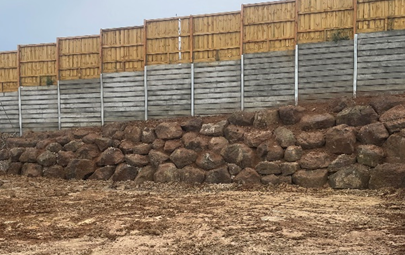
Rock retaining wall built on sloped site in Geelong for erosion control and landscaping

Building Materials Used in Retaining Wall Construction

Building Materials Used in Retaining Wall Construction Choosing the right building materials used in retaining wall construction is critical for long-term strength, stability, and visual appeal. Retaining walls must withstand soil pressure, moisture, and environmental exposure, making material selection one of the most important decisions for any residential, commercial, or civil project. This SEO-optimised article outlines the most popular retaining wall materials, including natural stone, concrete blocks, and recycled materials, highlighting their advantages, limitations, and ideal use cases. Natural Stone Materials for Retaining Walls Natural stone is widely regarded as a premium option in retaining wall construction due to its durability, structural integrity, and timeless appearance. The most commonly used natural stone retaining wall materials include granite, limestone, and sandstone. Granite Retaining Walls Granite retaining walls are known for their exceptional strength and resistance to environmental wear. Granite is a dense, hard stone that performs exceptionally well in high-load and structural retaining wall applications. Benefits of granite retaining walls: Extremely durable and long-lasting Impervious to moisture, weather, and erosion Excellent load-bearing capacity High-end, natural stone aesthetic Granite is ideal for engineered retaining walls where longevity and structural performance are essential. Limestone Retaining Walls Limestone retaining walls offer a softer, more rustic appearance, making them popular in feature landscaping and garden retaining walls. Key characteristics of limestone retaining walls: Warm, natural tones and textures Typically requires mortar for stability More porous than granite Best suited to lower-height or decorative retaining walls While limestone delivers strong visual appeal, it generally requires more maintenance and professional installation. Concrete Block Retaining Walls Concrete block retaining walls are one of the most widely used retaining wall systems due to their affordability, uniform appearance, and engineered performance. Advantages of concrete block retaining walls: Consistent sizing for efficient installation Engineered systems available for structural walls Cost-effective compared to natural stone Suitable for residential, commercial, and civil projects Concrete blocks offer fewer colour variations than natural stone but provide excellent reliability and compliance. Recycled Materials Used in Retaining Walls Some retaining wall projects consider recycled materials, such as railroad ties and used tyres, as a lower-cost alternative. Benefits of Recycled Retaining Wall Materials Lower upfront material costs Reduced waste through material reuse Perceived environmental benefits Drawbacks of Recycled Retaining Wall Materials Reduced strength and shorter lifespan Higher long-term maintenance requirements Limited compliance with engineering and council standards Potential environmental concerns Although recycled materials may appear economical, they typically lack the durability and longevity of natural stone or concrete retaining wall systems. How to Choose the Best Retaining Wall Material Selecting the right retaining wall material depends on several key factors: Budget and long-term value Structural height and soil conditions Aesthetic and landscape design goals Council regulations and engineering requirements Balancing upfront cost with long-term performance is essential when choosing materials for retaining wall construction. Importance of Professional Retaining Wall Installation No matter which materials are used, proper retaining wall installation is vital to ensure long-term stability. Critical installation components include: Correct footing and base preparation Effective drainage systems Appropriate backfill materials Professional construction methods Poor installation can lead to wall movement, cracking, or failure—regardless of material quality. Emerging Trend: Reinforced Soil and Gravel Retaining Walls Reinforced soil and gravel retaining walls are becoming increasingly popular due to their affordability, ease of construction, and environmentally friendly design. These systems are commonly used in civil and large-scale landscaping applications.
Read More

No products in the cart.

Verified by MonsterInsights