


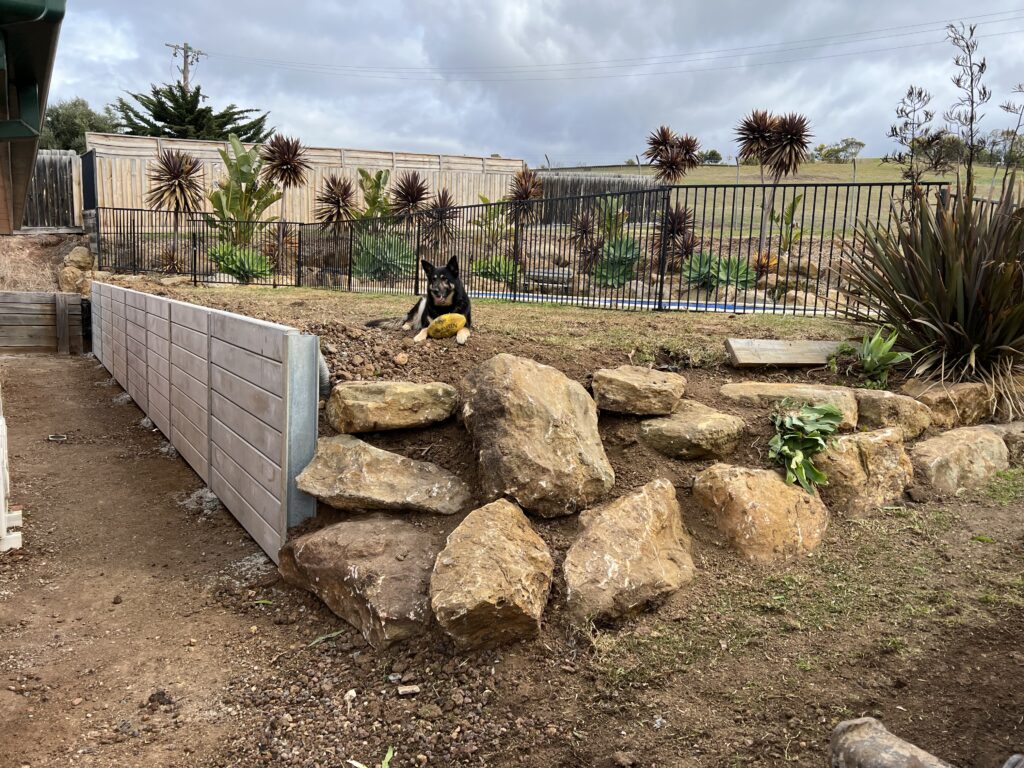
Maintaining the Surroundings of Your Retaining Wall
A retaining wall is only as effective as the environment around it. Proper maintenance of the surrounding areas not only improves the appearance of your outdoor space but also protects the structural integrity of your retaining wall over time. Whether you have Concrete Sleeper Retaining Walls, rock walls, or timber walls, ongoing care of drainage, soil, and landscaping is essential for long-term performance.
This guide outlines practical advice to help homeowners and property managers maintain the surroundings of their retaining walls and avoid costly repairs.
Why Surrounding Maintenance Matters
The area behind and around a retaining wall directly affects how it performs. Poor drainage, uncontrolled vegetation, or soil erosion can place unnecessary pressure on the wall, leading to movement, cracking, or structural failure.
Maintaining the surroundings helps to:
Reduce hydrostatic pressure
Prevent erosion and soil washout
Protect posts, sleepers, and footings
Extend the lifespan of your retaining wall system
Maintain a clean, functional landscape
High-quality materials such as galvanised Retaining Wall Steel rely on proper site conditions to perform as designed.
Ensure Proper Drainage Around the Wall
Drainage is one of the most critical elements of retaining wall performance. Water build-up behind the wall increases pressure and can compromise even engineered retaining walls.
Best practices include:
Keeping agricultural drainage pipes clear
Ensuring gravel backfill remains free-draining
Directing surface water away from the wall
Avoiding garden beds that trap moisture behind sleepers or posts
After heavy rain, inspect drainage outlets to confirm water is flowing freely.
Control Soil and Prevent Erosion
Erosion around the base or behind a retaining wall can weaken foundations and expose structural components.
To prevent erosion:
Use gravel, mulch, or ground covers to stabilise soil
Avoid overwatering garden beds near the wall
Repair washouts early
Maintain consistent soil height behind the wall
These steps are especially important for concrete sleeper retaining walls, where uniform pressure ensures long-term stability.
Manage Vegetation Near the Retaining Wall
While landscaping improves appearance, poorly managed vegetation can cause long-term damage.
Tips for safe planting:
Avoid large trees or deep-rooted plants near the wall
Choose shallow-rooted plants and grasses
Trim vegetation regularly to prevent moisture build-up
Remove invasive weeds that interfere with drainage systems
Smart planting protects both your wall and surrounding landscape.
Keep the Area Clear and Accessible
Heavy loads placed near the top of a retaining wall can increase pressure beyond its design limits.
Good maintenance habits include:
Keeping soil and debris away from the wall base
Avoiding storage of heavy items near the wall edge
Checking periodically for cracking or movement
Addressing minor issues before they escalate
If you notice movement or drainage concerns, it’s best to Contact Us for professional advice.
Inspect After Heavy Rain or Extreme Weather
Extreme weather events can quickly expose weaknesses in drainage or backfill.
After storms, check:
Drainage outlets
Soil settlement behind the wall
Signs of leaning or cracking
Erosion at the base
Early intervention can prevent expensive structural repairs.
Long-Term Benefits of Proper Maintenance
Maintaining the surroundings of your retaining wall improves drainage performance, reduces structural stress, and extends the life of your investment. Well-maintained retaining walls also enhance property value and ensure your outdoor space remains safe and usable year-round.
For inspections, repairs, or new installations, speak with experienced retaining wall specialists who understand local soil conditions and council requirements.

